

 Facebook
 X
X
 Pinterest
 Copy Link
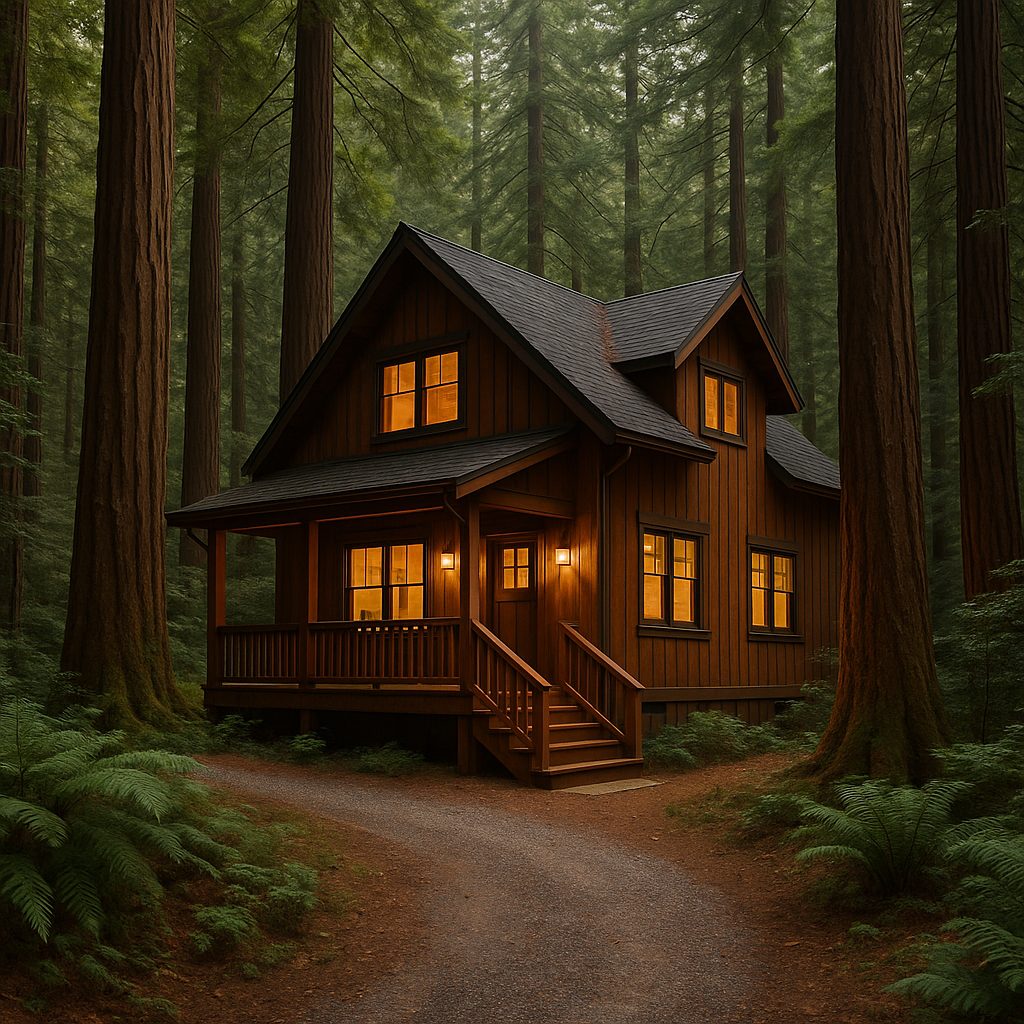
If you are shopping for a home in the Santa Cruz Mountains, you may quickly notice a pattern. Almost every property has inspection notes. Drainage. Foundation comments. Older systems. Wood touching soil. It can feel discouraging if you are hoping to find something that needs nothing.
Here is the reality. Truly move in ready homes are rare in the mountains, and that does not mean you are making a bad decision by buying one that needs work.
I lived in the Santa Cruz Mountains myself, and that firsthand experience shapes how I guide buyers. Mountain homes are designed to work with the land, not against it. Moisture, trees, slopes, and older construction methods all play a role in how these homes age. What matters most is not whether a home is perfect, but whether you understand its systems and the path forward.
Systems buyers should pay close attention to
There are a few core areas that deserve extra attention during inspections.
Foundation and structural support
Many mountain homes are built on post and pier foundations. This is common and not automatically a problem. What you want to understand is whether the structure is stable, whether there is proper bracing, and whether upgrades could be done over time. Foundation improvements are often phased projects rather than emergencies.
Drainage and water management
Water control is critical in the mountains. Look at where water flows during rain, how downspouts are routed, and whether water is moving away from the home. Drainage issues sound scary, but many are solved with thoughtful improvements rather than major reconstruction.
Roof and exterior envelope
Roofs, siding, and flashing matter more in wooded areas. Trees drop debris, moisture lingers longer, and shade slows drying. These are systems that need regular maintenance, not perfection on day one.
Septic and utilities
Septic systems should be reviewed for age and capacity. Electrical and plumbing systems in older homes may not meet modern expectations but can often be updated gradually.
Repairs that are commonly done over time
Many mountain home repairs are not urgent. They are part of long term stewardship of the property.
Drainage upgrades like French drains, gravel perimeter work, or re routing downspouts
Breaking wood to soil contact to reduce moisture and pest exposure
Improving crawl space ventilation or moisture barriers
Seismic bracing or post and pier upgrades
Exterior maintenance such as siding repairs, trim replacement, and repainting
These are normal improvements buyers often make over the first several years of ownership. They do not mean the home is failing. They mean the home is being cared for.
The bigger picture
Buyers who wait for a mountain home that needs nothing often end up waiting far longer than expected. Sellers who are honest about condition tend to attract buyers who understand the value and the opportunity.
The goal is not a perfect inspection. The goal is a clear understanding of the home, realistic expectations, and a plan for future improvements.
When buyers shift their mindset from “What is wrong with this house?” to “What does this house need over time?” mountain home ownership becomes far less intimidating and far more rewarding.
If you are navigating a mountain home purchase or sale and want honest guidance, I am always happy to talk through your options.
Call me: (831) 331-5977
