Santa Cruz Real Estate January 13, 2026

The Biggest Inspection Surprises Santa Cruz Buyers Face

Even buyers who feel well prepared are often surprised by what comes up during a Santa Cruz home inspection. It’s not because homes here are poorly built.  It’s because our geography, climate, and housing stock are unique.

One of the most common surprises is the roof. Many homes have roofs that are near the end of their useful life even if they are not actively leaking. Buyers are often caught off guard by how expensive replacement can be and how important roof condition is to lenders.

Sewer laterals are another big surprise. In some areas, aging pipes or root intrusion can create future risk even if there is no current backup. This is especially common in older neighborhoods and can be expensive to address if ignored.

Drainage issues also come up frequently. Our hillsides, heavy winter rains, and older grading can create moisture problems that are not obvious during a quick showing. Inspections often reveal areas where water management needs improvement.

Electrical systems can be a surprise as well, particularly in older homes. Knob and tube wiring, outdated panels, or ungrounded outlets are not uncommon and can affect insurance and safety.

The key thing buyers need to know is that inspection findings are not automatically deal breakers. They are information. What matters is understanding what is normal for the area, what is urgent, and how to negotiate thoughtfully based on real costs.

Having an agent who can help you interpret inspection reports and decide what truly matters can make the difference between a stressful experience and a confident one.

If you’re considering buying a home in Santa Cruz and want help understanding what inspection issues to expect and how to navigate them, feel free to reach out. You can call or text me at 831 331 5977.

Santa Cruz Real Estate January 13, 2026

What Buyers Are Actually Negotiating in Santa Cruz Right Now

If you are thinking about buying a home in Santa Cruz, you may be wondering how much room there really is to negotiate. The headlines can feel confusing. Some headlines report the market is competitive again, others report buyers finally have leverage, but the truth is more nuanced.

What I am seeing is this: negotiations are back, but they are focused on condition, not dramatic price drops.

Buyers today are paying close attention to inspections. Roofs, sewer laterals, drainage, older electrical systems, and deferred maintenance are front and center. Instead of walking away or demanding unrealistic discounts, buyers are negotiating credits or adjustments that reflect the actual cost of addressing these items.

Another shift is how conversations are happening. Negotiations are calmer and more data driven than they were a few years ago. Sellers are still proud of their homes, but they are also more realistic when presented with clear inspection findings and estimates. Deals are getting done when both sides focus on fairness rather than winning.

I am also seeing more flexibility depending on the type of property. Coastal homes, mountain properties, and older neighborhoods all come with different realities. Buyers who understand those realities and negotiate accordingly are the ones who succeed.

The biggest takeaway right now is this: negotiation in Santa Cruz is less about pushing hard and more about being informed. Buyers who are prepared, patient, and well advised have real opportunities to protect themselves and still move forward confidently.

If you are thinking about buying or selling and want an honest conversation about what negotiations look like right now in your specific neighborhood, I am happy to talk it through with you. You can call or text me at 831 331 5977.

Santa Cruz Mountains December 17, 2025

Selling a Home in the Santa Cruz Mountains: What Every Seller Should Know Before Listing

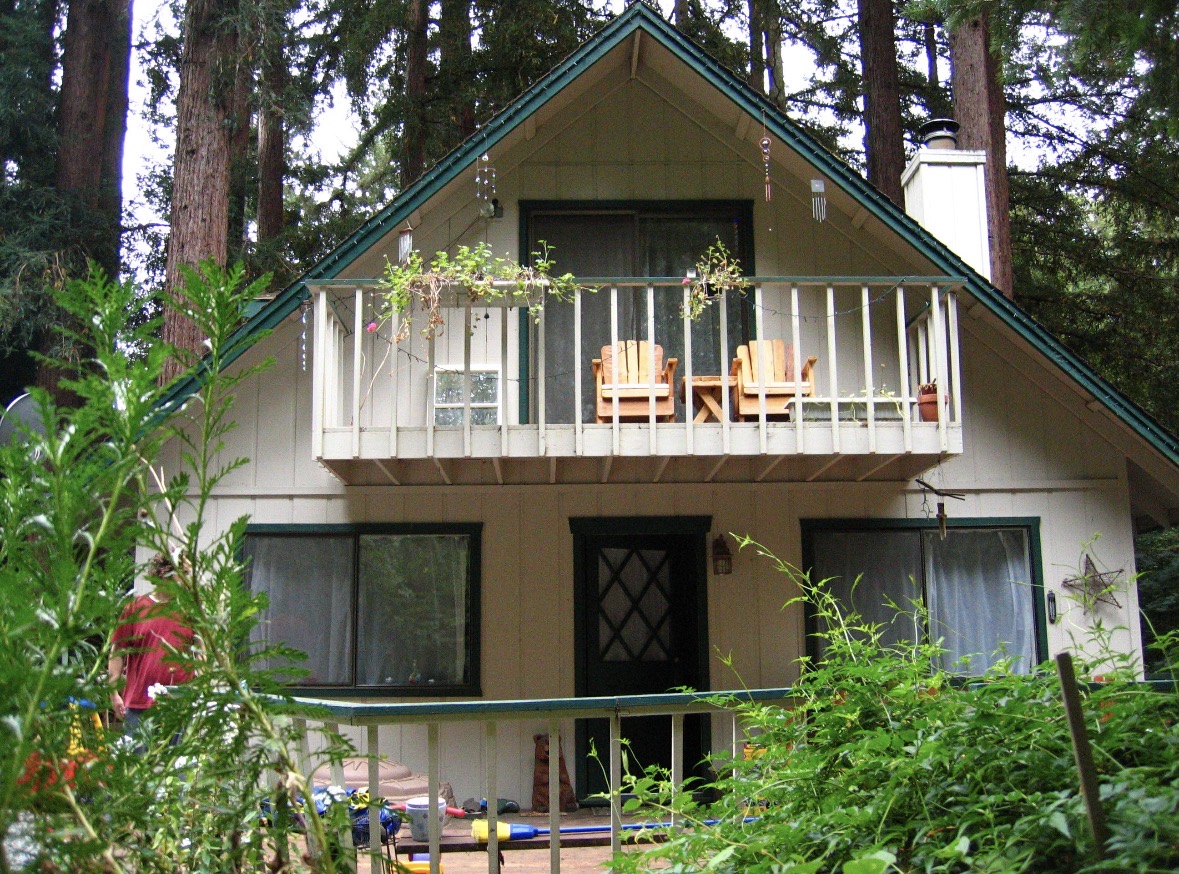
Selling a home in the Santa Cruz Mountains is very different from selling a home on flatter ground or in a more urban setting. Mountain properties offer beauty, privacy, and character, but they also come with systems and conditions that are unfamiliar to many buyers. Understanding this difference is key to a successful sale.

Having lived in the Santa Cruz Mountains myself, I understand these homes from both a personal and professional perspective. I know what buyers notice, what questions they ask, and where unnecessary fear can creep in if a home is not presented clearly.

Transparency builds buyer confidence

Buyers shopping in the mountains expect some level of maintenance and repair. What tends to derail transactions is not condition, but uncertainty. When sellers are transparent and proactive, buyers feel more comfortable moving forward.

Providing inspections, pest reports, and basic system information early helps buyers understand the home realistically rather than emotionally. Transparency often leads to smoother escrows and fewer surprises.

Systems buyers pay the closest attention to

Certain systems almost always come up during showings and inspections.

Foundation and structural support
Post and pier foundations are common in the Santa Cruz Mountains. Buyers want to understand whether the structure is stable, whether bracing is present, and whether improvements have been made or could be done over time. Documentation of any prior work is extremely helpful.

Drainage and water management
Water is one of the biggest concerns for mountain buyers. They want to know where water flows during heavy rain, how downspouts are routed, and whether moisture has been an issue. Even modest improvements like extending downspouts or adding gravel around the perimeter can significantly increase buyer confidence.

Roof and exterior maintenance
With heavy tree coverage, roofs and siding experience more wear. Buyers look closely at roof age, gutter maintenance, flashing, and signs of deferred exterior care. Regular maintenance tells a strong story about how the home has been treated.

Septic and utilities
Septic systems should be clearly documented with age, capacity, and inspection history. Electrical and plumbing systems may not be modern, but buyers mainly want to understand what functions well and what has been updated.

Repairs that often make sense before listing

Not every repair needs to be completed before selling. Strategic improvements can have a meaningful impact.

Breaking wood to soil contact
Addressing visible drainage concerns
Clearing roofs and gutters
Repairing damaged siding or trim
Ensuring crawl spaces are accessible and dry

These steps help inspection reports read more cleanly and signal thoughtful ownership.

Pricing with realism and confidence

Mountain homes are typically priced with condition and setting in mind. Buyers understand this. A well priced home that is transparent about its condition often attracts stronger, more confident offers than a home that feels uncertain or overpriced.

The goal is not to eliminate every inspection note. The goal is to present a clear picture so buyers can see both the value and the opportunity.

The value of local experience

Mountain transactions benefit from local knowledge. Understanding what is typical for the area, what the county expects, and how buyers evaluate risk can make a significant difference in how smoothly a sale unfolds.

When sellers are informed and prepared, transactions tend to move forward with far less stress.

If you are considering selling a home in the Santa Cruz Mountains and want thoughtful, honest guidance, I would be happy to help. You can reach me directly at (831) 331-5977 to talk through your options.


Santa Cruz MountainsUncategorized December 15, 2025

Why “Move In Ready” Is Rare in the Santa Cruz Mountains And What to Pay Attention to Instead

If you are shopping for a home in the Santa Cruz Mountains, you may quickly notice a pattern. Almost every property has inspection notes. Drainage. Foundation comments. Older systems. Wood touching soil. It can feel discouraging if you are hoping to find something that needs nothing.

Here is the reality. Truly move in ready homes are rare in the mountains, and that does not mean you are making a bad decision by buying one that needs work.

I lived in the Santa Cruz Mountains myself, and that firsthand experience shapes how I guide buyers. Mountain homes are designed to work with the land, not against it. Moisture, trees, slopes, and older construction methods all play a role in how these homes age. What matters most is not whether a home is perfect, but whether you understand its systems and the path forward.

Systems buyers should pay close attention to

There are a few core areas that deserve extra attention during inspections.

Foundation and structural support
Many mountain homes are built on post and pier foundations. This is common and not automatically a problem. What you want to understand is whether the structure is stable, whether there is proper bracing, and whether upgrades could be done over time. Foundation improvements are often phased projects rather than emergencies.

Drainage and water management
Water control is critical in the mountains. Look at where water flows during rain, how downspouts are routed, and whether water is moving away from the home. Drainage issues sound scary, but many are solved with thoughtful improvements rather than major reconstruction.

Roof and exterior envelope
Roofs, siding, and flashing matter more in wooded areas. Trees drop debris, moisture lingers longer, and shade slows drying. These are systems that need regular maintenance, not perfection on day one.

Septic and utilities
Septic systems should be reviewed for age and capacity. Electrical and plumbing systems in older homes may not meet modern expectations but can often be updated gradually.

Repairs that are commonly done over time

Many mountain home repairs are not urgent. They are part of long term stewardship of the property.

Drainage upgrades like French drains, gravel perimeter work, or re routing downspouts
Breaking wood to soil contact to reduce moisture and pest exposure
Improving crawl space ventilation or moisture barriers
Seismic bracing or post and pier upgrades
Exterior maintenance such as siding repairs, trim replacement, and repainting

These are normal improvements buyers often make over the first several years of ownership. They do not mean the home is failing. They mean the home is being cared for.

The bigger picture

Buyers who wait for a mountain home that needs nothing often end up waiting far longer than expected. Sellers who are honest about condition tend to attract buyers who understand the value and the opportunity.

The goal is not a perfect inspection. The goal is a clear understanding of the home, realistic expectations, and a plan for future improvements.

When buyers shift their mindset from “What is wrong with this house?” to “What does this house need over time?” mountain home ownership becomes far less intimidating and far more rewarding.

If you are navigating a mountain home purchase or sale and want honest guidance, I am always happy to talk through your options.

Call me: (831) 331-5977


Prospect Heights November 20, 2025

Homes in Prospect Heights: What to Know

If you’re considering buying or selling in the Prospect Heights neighborhood of Santa Cruz, you’re in a prime position for a smart decision — and here’s why.

A Quick Prospect Heights Snapshot

  • The median sale price in Prospect Heights recently was around $1.23 million. Redfin+1

  • The median sale price per square foot is about $673. Redfin+1

  • Homes in this neighborhood are selling quickly — often in around 14 days on market for well-priced homes. Redfin

  • That said — prices are down year-over-year in this neighborhood, reflecting some cooling: ~29.6% lower than last year. Redfin+1

So what does all that mean if you’re a buyer or a seller?


This Neighborhood Holds Value

Prospect Heights offers a unique combination of location and lifestyle:

  • For sellers: while it’s a strong neighborhood, the fact that it’s showing signs of a market cooldown means you’ll need to price smart and act swiftly.
  • Proximity to trails for hiking and mountain biking, a city golf course and restaurant, Frisbee golf, an archery range, neighborhood dog park, minutes from the coast, yet enjoy a slightly elevated “micro-climate” that tends to be sunnier and less foggy than beachfront zones. (Homes.com reports this as a desirable feature for the area.)

  • This neighborhood feeds into a well-regarded set of public schools, including De Laveaga Elementary, Branciforte Middle, and Harbor High. Many families appreciate the strong elementary and high school options and the supportive community across the district. — a strong plus for families.

  • Mature neighborhood with character: many homes built mid-20th century, comfortable lot sizes, tree-lined streets, lots of character: many homes built mid-20th century, comfortable lot sizes, tree-lined streets.

  • Because it isn’t the “ultra-luxury” beachfront tier, you often find better value here for buyers who want Santa Cruz lifestyle without the absolute top-tier premium.


For Buyers: Here’s Your Strategy

  1. Budget accordingly. With median around $1.2 M, plan for that ballpark (or higher, depending on size/features).

  2. Move quickly. Well-priced homes in Prospect Heights are still selling fast (14 days on market is recent average).

  3. Check condition & features. When the market softens slightly, condition, upgrades, and presentation become even more influential. A great home may still sell above ask; a dated home may struggle.

  4. Negotiate smart. With prices down ~30% year-over-year, there may be more room for concessions, credits, or contingencies—particularly if the home has been on market longer or needs updating.

  5. Think long-term. This neighborhood has proven value — it isn’t just about capturing a dip now. Factor in appreciation potential, lifestyle, commute, schools.


For Sellers: Your Best Moves Now

  1. Price with current reality. A “nice home in Prospect Heights” around $1.2 M is realistic—but don’t assume last year’s peak will automatically hold.

  2. Prep the home for speed. Since homes still move fastest, reduce friction: declutter, repair, stage, clean. Homes in excellent condition may get multiple offers.

  3. Highlight what makes your home special. Given the slight cooldown, you’ll want to emphasize upgrades, views, lot size, recent remodel, and lifestyle (sunny yards, proximity to trails/parks, etc).

  4. Market smart. Use professional photos, strong online presence, neighborhood story (“sunny side of Santa Cruz”, proximity to golf/parks) to stand out.

  5. Be flexible on timing. If you’re ready to sell, now is a window of opportunity before any possible rate or demand bounce-back. If timing allows, consider starting the process now so you’re ready when the right buyer appears.


Prospect Heights Data

  • According to Redfin: “In Prospect Heights the median sale price was $1.23 M last month, down ~29.6% year-over-year; price per sq ft ~$673.” Redfin+1

  • According to Homes.com: “Homes sell after 28 days on the market (compared to national average 53 days), and average price per square foot ~$803.” Homes


Final thought

If I had to boil it down: Prospect Heights is a solid, desirable neighborhood in Santa Cruz where you’ll find value, but you’re no longer in a purely “buyer’s market” of rock-bottom prices. For buyers, now is a smart time to act—there is more negotiation room than peak market—but still competition for the best homes. For sellers, you still have strong leverage—but you’ll need to present the home in top condition and price it aligned with today’s market, not last year’s highs.

If you’re thinking of buying or selling in Prospect Heights (or the surrounding Santa Cruz area), I’d love to help you drill into the comps, create a strategy tailored to your timeline and goals, and ensure you’re positioned to make a confident move.


Ready to see what homes are currently on the market in Prospect Heights, or want a detailed sold-comps worksheet? Have a specific question?  Call me: (831) 331-5977